Nonfiction
Initiative – Justifying Non-Fiction in Libraries
Introduction
To those who keep abreast of the developments in
non-fiction today, it comes as no surprise that it deserves to be highlighted
in every library environment. Long gone are the days were all non-fiction was
considered dry, stuffy and dull. Non-fiction, or informational text, has become
much more that a car manual, or information on how the water cycle works. New
methodologies and needs have led to innovations in tone, format, layout,
topics, development, continued research, hands-on activities and new common
core standards for education is now driving those innovations even further, as
a good portion of those standards center on viable, interesting, level
appropriate, wide bases of non-fiction, that cross all culture boundaries, to
ensure the success of our children inside, and outside, of school.
There is not one aspect of the library that
non-fiction does not, and has not affected. Let’s highlight a few ways in
which, informational text has an effect, in public libraries, but particularly
on young adults, and how it can be utilized to improve and expand current
offerings and processes, within the library and community environments.
Non-fiction
on Collection Development
Common Core Standards tell us, “Students need to
become strong writers, and do to that, they need expert instruction, time to
write, and meaningful opportunities for writing a wide range of informational,
argumentative and narrative texts. They also must become proficient readers of
more complex texts, and that means they need expert instruction and opportunities
to read a wide range and very deep volume of texts” (Calkins, L., Ehrenworth,
M., & Lehman, C, p.18). This means that continual collection development,
particularly of long neglected non-fiction sections, is essential to provide
the base necessary for patrons, in particular children, to succeed in a 21
st
century world. This means incorporating multiple formats, increasing methods of
accessibility, potentially utilizing interlibrary loans, and finding ways to
maximize budgets to meet this growing need for quality, interesting, level
appropriate non-fiction, across all age groups. While this is obviously imperative
in school libraries, which are turning away from traditional textbooks toward
more tradebooks, to meet the need for increasing complexity and comprehension,
this also needs to drive public libraries to re-evaluate their circulation
statistics, performing S.W.O.T. analysis if necessary and definitely investing
in non-fiction collection development where service gaps are obvious. Those
gaps will definitely become apparent, particularly as many libraries spend more
time focusing on fiction and entertainment collection development, given a
perceived desire by the local community.
Re-establishing the necessity and importance of a
good, varied, well written and interesting non-fiction section helps
re-establish the relevancy of the library and increases the knowledge and
appreciation of the genre through its patrons. Without library support, these
informational texts go largely ignored, and thus, the community loses out on an
invaluable resource, necessary for a world where survival means increased
comprehension and information literacy development.
Non-fiction
and Cataloguing
Non-fiction, where cataloging is concerned, has
been constantly developing for decades. Now, with the frequent use of automated
OPAC’s and standardized MARC records using the Library of Congress
classification system (while other libraries may use a combination of Dewey
Decimal, L.C. and home grown methods), non-fiction has become easier to
identify and catalog using ALCTS accepted practices, with specific MARC record
lines corresponding to intended audience, and even many call numbers including
the same information, for ease of reference and identification, while the
entries themselves are becoming standardized across the board, with the
utilization of copy cataloging, saving both time and money for the cataloger.
Non-fiction for children can be designated, after the location number and
author name, with a E for picture books for the youngest children, J for Juvenile
titles, Teen for teen rated, or young adult books (Fountain, J., 2014). These designations also allow
libraries supreme autonomy over the physical location of these books, depending
on their own requirements. For some libraries it may be possible to keep
non-fiction titles grouped with fiction titles, in separate sections, by
intended audience, whereas other libraries may choose to incorporate
non-fiction titles of all age into one non-fiction section altogether. This
ultimately maximizes flexibility and cost saving.
Non-fiction
and Programming
Non-fiction provides a rich playground of
opportunities for programming. There are endless subjects, which can be tied in
to events, news stories, entertainment, and special occasions. Shark week on
the Discovery Channel alone, for example, can inspire dozens of programming
opportunities, such as a sea themed parade, puppet crafts, plays, displays, art
contests, movie viewings, and more. These activities can span multiple age
groups, providing cohesive programming across departments, while increasing
community awareness, simultaneously informing the community about new topics,
and generating buzz about fun new ways to interact with the library .This can
easily lead into cost efficient publicity opportunities, with stories being
sent to newspapers or television stations, posts and events created across
social media, blog articles written, and suggestions for programming shared
between information professionals, offering an additional increased opportunity
for networking, and further reach and innovation.
Getting the entire library staff involved is
beneficial. The more invested and interested employees, the better promoted and
visible the programming will be, as excitement is easily conveyed. Coordinate
subject weeks with local events, community and cultural celebrations and get
schools involved, perhaps cross organizing in conjunction with curriculum
units. This could provide additional publicity opportunities utilizing collaboration
with local schools, if the originating institution is a public library, and can
help drive Common Core Standard goals as well. Drawing the correlation between
the book and real-life shows just how relevant the offerings of the library
are, and how sensitive they are to the needs and backgrounds of those being
served.
Non-fiction
and Serving Diverse Populations
In order for a library to seem relevant to the
demographic it serves, the demographic, or patrons, have to believe that it,
and its collection, and programming, somehow
applies to them, and their needs, whether cultural, economic, social, or
otherwise. It is in this vein that non-fiction becomes absolutely essential.
Providing newspapers in other language, folktales and cookbooks from other
cultures, information on culturally based events and celebrations, scholarships,
language, as well as informational text in various levels, including narrative
non-fiction of those who have come from similar backgrounds, as well as familiar
topics in unfamiliar languages for E.S.L. patrons (Hadaway, N.L., Vardell,
S.M., &Young, T.A, 2002), all help to meet that need. It creates a
connection, provides information uniquely tailored to the demographic, provides
opportunity for language and literacy development and is particularly important with children
and young adult patrons.
Young adults, in particular, are ego-centric,
meaning that their world revolves around themselves and their place in the
world at large. They need non-fiction that relates to their experiences, their
thoughts, their changing attitudes and bodies, which helps them feel more
connected to their communities, their families, their peers and environments,
and also stimulates their minds and helps them become successful in the real
world. They are bridging the gap between childhood and adulthood, and
particularly for those sensitive topics they have difficulty discussing with
others, non-fiction becomes a part of their identity and their method of coping
and they need a wide variety of it. Through the stories and concepts presented
in non-fiction, they are able to see their experience in a greater context,
feel connected to their communities and find direction. In doing so, they are
also passing these resources onto their family and friends, making suggestions
for improvements and new inclusions, encouraging others to utilize the
resources of the library, in the hopes it can do the same for them.
Non-fiction
and Connecting with Library and Web-Based Reader Communities
When it comes to non-fiction with library and
web-based reader communities, we are very lucky that we live in a
technologically advanced world, where multiple formats of titles are becoming
increasingly available. With the introduction of cloud environments, e-books,
audio books, in additional to traditional print sources, librarians are better
able to span all reading preferences, maximizing subscription costs but
allowing higher circulation statistics as more people are looking for the same
titles. It is easy to see how this might also be even more of an impact as many
schools are attempting to make the shift from textbooks, to trade non-fiction
books, to meet the Common Core standards that require increasing complexity based
on level. Many of these schools are struggling to find a way to meet that need,
particularly if classes need the materials at the same time. This is where
having both electronic and physical access becomes essential, not only to allow
greater access, but also a better comfort level in both school and public
libraries.
There are some who find that libraries offer less
distraction. Some find they provide more. Some want the security of having a
teacher or librarian to go to for questions, and others prefer to be able to
access the text from home, where they can talk to their families. Others will
need assistance finding related titles for further research. The difficulty
comes in that publishers and trade partners often see a great desire for
fiction only in multiple formats and it’s time that view was changed, as the
face and importance of non-fiction is also changing. Overall, it is important
to include non-fiction titles that span the demographic and specific needs of
the library patrons, while taking into consideration their format needs as
well. This, again, is tied with collection development, and ensures that little
to no service gap is experienced, while offering high interest titles, bridging
all parts of the collection.
Non-fiction
and Webpage Development
Besides the fact that traditional non-fiction can
tell you how to build a webpage, how to develop and maintain it, the genre
itself lends immeasurably to the content of the library webpage, offering
opportunities for highlighting titles, publicizing offerings and events, in the
light of related programming, highlighting relevant Common Core Standards, and
presents opportunities for further learning, particularly when they are and incorporated
into lesson plans and Virtual Learning Commons. This type of information
sharing allows multi-media to become indispensable for creating interest and
relevancy. Librarians can post non-fiction related videos, music, games, apps,
as well as web resources for further exploration. They can encourage research,
suggest topics, relay phenomenal amounts of information in new and exciting
ways, particularly for reluctant readers who may still have their doubts about
non-fiction titles.
There is no better way, to gain interest in a
genre that was once considered difficult and antiquated, than by using new
technology to make it seem interesting and fresh. Whether that occurs by
utilizing programs like Animoto for book trailers, YouTube for book talks,
skits and non-fiction storytimes, or as galleries for non-fiction related
hands-on activities, the media lends so much visibility and life that
non-fiction itself takes on a whole new meaning. It can constantly be refreshed
to be updated with library themes and programming, providing emotional and
cultural connections, eliciting excitement in exploration of new ideas with
patrons, while generating interest in new methodologies of non-fiction writing,
while simultaneously providing low cost options for publicity, and connection.
Non-fiction
and Publicity
At the heart of library publicity is trending.
What is hot? What is new? What is going to grab a patron’s interest and bring
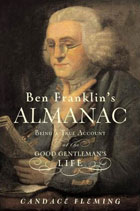
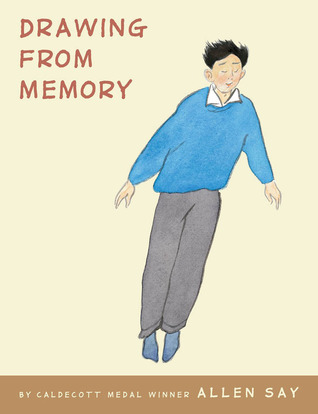
them in the door? For example, right now, there is a huge emphasis on narrative
non-fiction. Compared to previous biographies that most library professionals
are used to, this new sub-genre may give facts, like so many before them, but
more importantly it tells a story, it vibrates with “emotional resonance”
(Sundberg, I., 2010). This alone is enough to revolutionize non-fiction and
highlight its relevancy, particularly with teen and young adult audiences whose
development often dictates that they are looking for stories to which they can
relate to, that are make them say “that’s just like me” (Aronson, M.,
2012) and while that did not used to be the case with non-fiction, the
narrative makes all the difference, as the writer finds its voice. Empathy and
sympathy are the keys to getting the patron emotionally invested in the medium
and the genre. That is part of the reason why this genre is so popular now, and
why, if a library includes such works in their collection, and highlights them,
whether by display, website, blog, book groups, readers advisories, or other
forms of social media, it becomes a double win, as not only is it shows the
forward thinking of the library, the concern for the emotional and
developmental well-being of its patrons, its interest in history, and its
ability to keep its finger on hot button topics, reversing the idea that the
library itself is a dusty repository of information.
Keep it fresh! Have a bookmark, art or fan-fiction
contest, based off of a narrative non-fiction book, or use resources, including
multi-media, on current local topics, for example, in the Pacific Northwest,
the Oso landslide, which killed dozens of people, and has inspired many
charitable organizations, events and ways to get involved. Young adults, in
particular, are keen to share their opinions and solutions, if only someone is
willing to listen, and using these non-fiction resources, recent publicity
regarding similar topics, while creating added publicity for related
programming, are an excellent way to allow them a voice, while causing people
to re-determine their views on non-fiction, the issue at hand, and the library
reputation itself. By bringing attention
to hot non-fiction topics that are already trending, the library itself also saves
valuable budget dollars, instead being able to utilize, repost, and direct
patrons to existing public awareness, increasing interest and heightening
relevancy. To ignore , non-fiction and the attention it has already generated,
would definitely be foolhardy, particularly given its increased use in newly
developed Common Core Standards, which are driving both public and school
libraries.
Non-fiction
and Common Core Standards
Whether we like or hate the revised Common Core
Standards, as educators, parents and librarians, they are very real, with far
reaching implications and are here to stay. “Reading anchor 10, which asks
readers to ‘read and comprehend complex literary and informational texts
independently and proficiently’ (2010a, 10)” (Calkins, L., Ehrenworth, M.,
Lehman, C., p.32), in increasing complexity, while knowing the difference
between literal and figurative information, shows in no uncertain terms in the
importance of non-fiction in Common Core Standards, and the basic overall learning
expectations for each grade level. The C.C. (Common Core) goes on to state, “To
be ready for college, workforce training, and life in a technological society,
students need the ability to gather, comprehend, evaluate, synthesize, and
report on information and ideas, to conduct original research in order to
answer questions or solve problems, and to analyze and create a high volume and
extensive range of print and non-print texts in media forms old and new. (4)” (Calkins,
L., Ehrenworth, M., Lehman, C., p.75). As such, these new standards are driving
the way libraries and school media centers approach non-fiction, as they
attempt to help teachers and educators meet the required goals at every age
level.
For students, it is important to develop critical
thinking and analysis skills of informational texts by evaluating them, and by
comparing and contrasting them with other relatable, relevant materials, looking
for similarities and differences in content, form, purpose and tone. It is
similarly imperative that children be provided high quality, content rich, and
above all, high interest informational texts, of appropriate levels. Children,
in particular, find reading non-fiction intimidating because the options they
are provided with are often low interest, poorly written or too difficult. Coordinating
informational text reading with hands-on activities, such as scavenger hunts,
excavations, keeping a journal, games, field trips or crafts, can enhance
comprehension and retention, while plenty of discussion opportunities, in both
small and large groups, with the teacher only as a guide, will also encourage
advanced literacy. Encouraging independent research, and explaining how to
identify a good source from a bad one is also an essential part of this
process. All of these methodologies lead to collective consciousness,
information literacy, critical thinking and will help with independent and
collaborative skill building, as well comprehension and writing skills.
One revolutionary idea is perhaps to re-classify non-fiction
books, which often confuse young readers with the genre title, given that it also
contains folk and fairy tales and information on fictitious subjects. Removing
the outdated genre name and perhaps, instead, referring to them as “informational
texts” (Harris, C., 2012) or “knowledge books,” highlighting the fact that
instead of being repositories of dry facts, these types of books are actually “a
set of contentions, arguments: tapestries of ideas, insights, and evidence we
individuals [authors] have woven” (Aronson, M., 2012) may help increase
interest, use and comprehension, as well. Perhaps by re-defining the meaning of
the genre in the first place, the relevancy of the material and the ways in
which we use it will become much clearer, and we may have the Common Core
Standards to thank for that, as libraries are being driven to adapt to the new
standards, just as much as curriculum and instruction must, in order to meet
the needs of children and adults in a 21
st century world.
Conclusion:
The face of non-fiction has changed. Even the name designation is beginning to change as is the definition. Without highlighting these new innovations in non-fiction, without highlighting the benefits of non-fiction on services, budgets, education and the community, we as librarians are doing a great disservice to our patrons, our communities and our organizations. There are so many opportunities to not only support the genre, but to allow it to support us, to teach us, to prepare us all for technologically advanced future that requires critical thinking, complex comprehension, advanced writing and information literacy skills, and the ability to present this information to a wide audience. We are not just information professionals, we are information enlighteners. We are showing the generations how to flourish and succeed by discovering the world around them, their place in it, and how they can share their experiences, and those of others, in days past, with those in their communities and beyond. We are shaping the next generation of leaders, thinkers and doers, who will compete, and hopefully collaborate, with other nations to build a global community that embraces the value of non-fiction as much, if not more so than any other type of literature available today.
Resources:
Aronson, M. (2012). Text clusters, text
complexity.
http://blog.schoollibraryjournal.com/nonfictionmatters/2012/04/18/text-clusters-text-complexity-and-the-print-problem/.
Aronson, M. (2012). "The end of
nonfiction"? A weaver's response. [blog entry] Retrieved from
http://blog.schoollibraryjournal.com/nonfictionmatters/2012/03/09/the-end-of-nonfiction-a-weavers-response/.
Aronson, M. (2012). YANF and voice.
http://blog.schoollibraryjournal.com/nonfictionmatters/2012/04/20/yanf-and-voice/.
Calkins, L., Ehrenworth, M., & Lehman, C.
(2012) Pathways to the common core. Portsmouth, N.H.: Heinemann Publishing.
214.
Fountain, J. (2014). Chapter 1 - Guidelines for
Standardized Cataloging for Children. Association for Library Collections &
Technical Services, Cataloging and Classification Section. Retrieved from
http://www.ala.org/alcts/resources/org/cat/ccfkch1
Hadaway, N.L., Vardell, S.M., &Young, T.A.
(2002). Highlighting nonfiction literature: Literacy development and English
language learners. The New England Reading Association Journal, 38(2), 16-22.
Harris, C. (2012). The end of nonfiction. School
Library Journal, 58(3), 16.
Sundberg, I. (2010). Narrative non-fiction is hot
hot hot!
http://ingridsnotes.wordpress.com/2010/10/25/narrative-non-fiction-is-hot-hot-hot/.
Sutton, R. (2007). An interview with Jon Scieszka.
The Horn Book, 83(5), 445-55
.
Further
Resources Used for Evaluation:
• Aronson, M. (2011). New knowledge. The Horn
Book. 87(2), 57-62.
• Bartoletti, S. (2011). The extreme sport of
research. The Horn Book, 87(2), 24-30
• Barton, C. (2011). Your mother should know.
The Horn Book, 87(2), 88.
• Carstensen, A. (2010). Yalsa award for
excellence in nonfiction for young adults,
year one.Young Adult Library Services,
8(3), 38-40.
• Fang, Z. & Wei, Y. (2010). Improving
middle school students' science literacy
through reading infusion. The Journal
of Educational Research, 103(4), 262-273.
• Faust, S. (2001). In quest of excellence:
Qualities of distinguished information
books.
School Library Journal, 47(6), 42-43.
• Fister, B. The Dewey dilemma. Library
Journal, 134(16), 22-25
• Fleming, C. (2011). Getting in touch with
Ben. The Horn Book, 87(2), 39.
• Giblin, J. (1988). The rise & fall of
juvenile nonfiction, 1961-1988. School Library
• Giblin, J. (2000). More than just the
facts: A hundred year of children's nonfiction. The Horn Book, 76(4), 413-424.
• Giblin, J. (2003). What sort of man?
Children and Libraries, 1(2), 16.
• Giblin, J. (2011). The wrong plot. The Horn
Book, 87(2), 97.
• Harris, C. (2012) How to get started.
School Library Journal, 58(4), 28.
• Isaacs, K. (2005). Truth in information
books. School Library Journal, 51(7), 28-29.
• Murphy, J. (2003). Drawn to story. Children
and Libraries, 1(3), 48-50
• Nelson, K. (2009). Trampling the grass at
Hank Aaron's house. Children and
• Partridge, E. (2011). Narrative nonfiction:
Kicking ass at last. The Horn Book, 87(2), 69-73.
• Rossi, J. (2005). Don't gloss over the
glossary. School Library Journal, 51(10), 33.
• Silvey, A. (2010). The real deal. School
Library Journal, 56(6), 22-25.
• Stone, T. (2010). No victims in sight.
Children & Libraries, 8(3), 5-6.
• Stone, T. A fine, fine line: Truth in
nonfiction. The Horn Book, 87(2), 84-87.
• Vent, C. & Ray, J. (2007). There is
more to reading than fiction! Enticing elementary
students to read nonfiction. Teacher
Librarian, 34(4), 42-44.